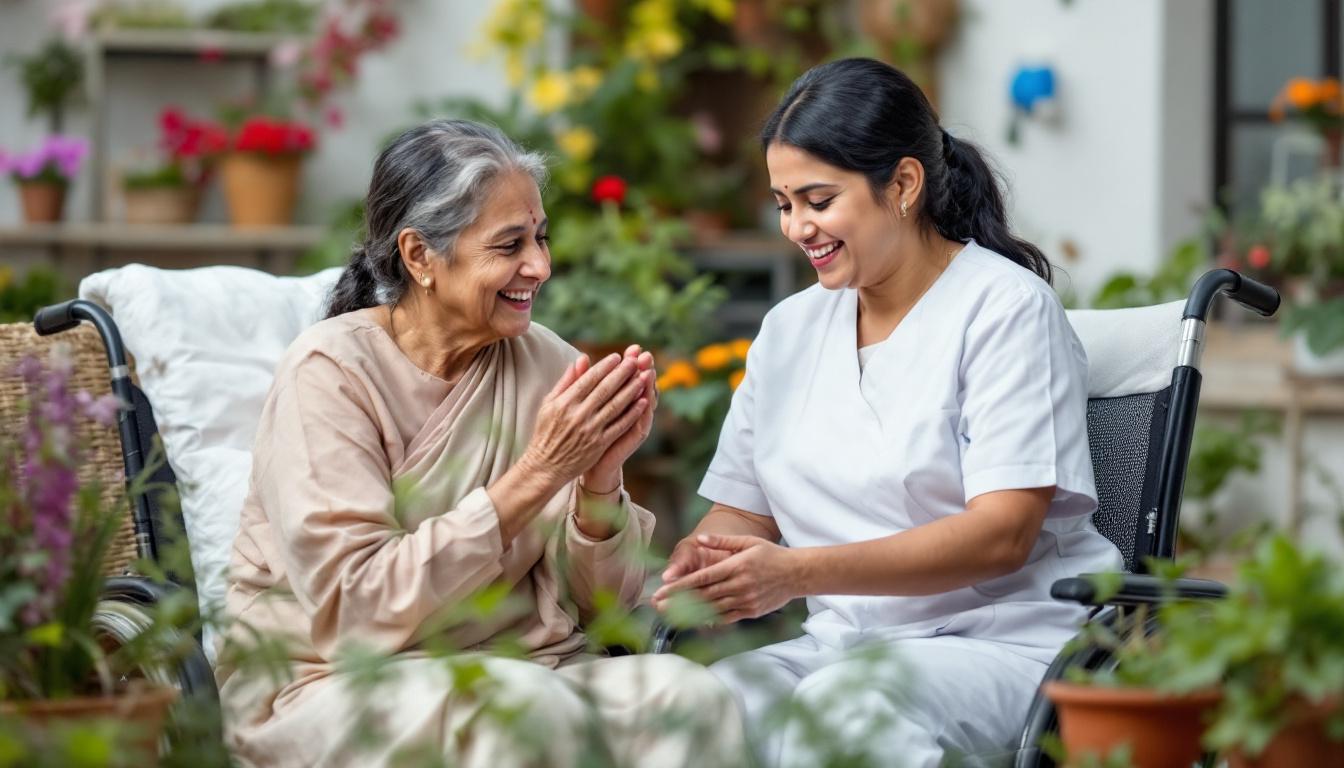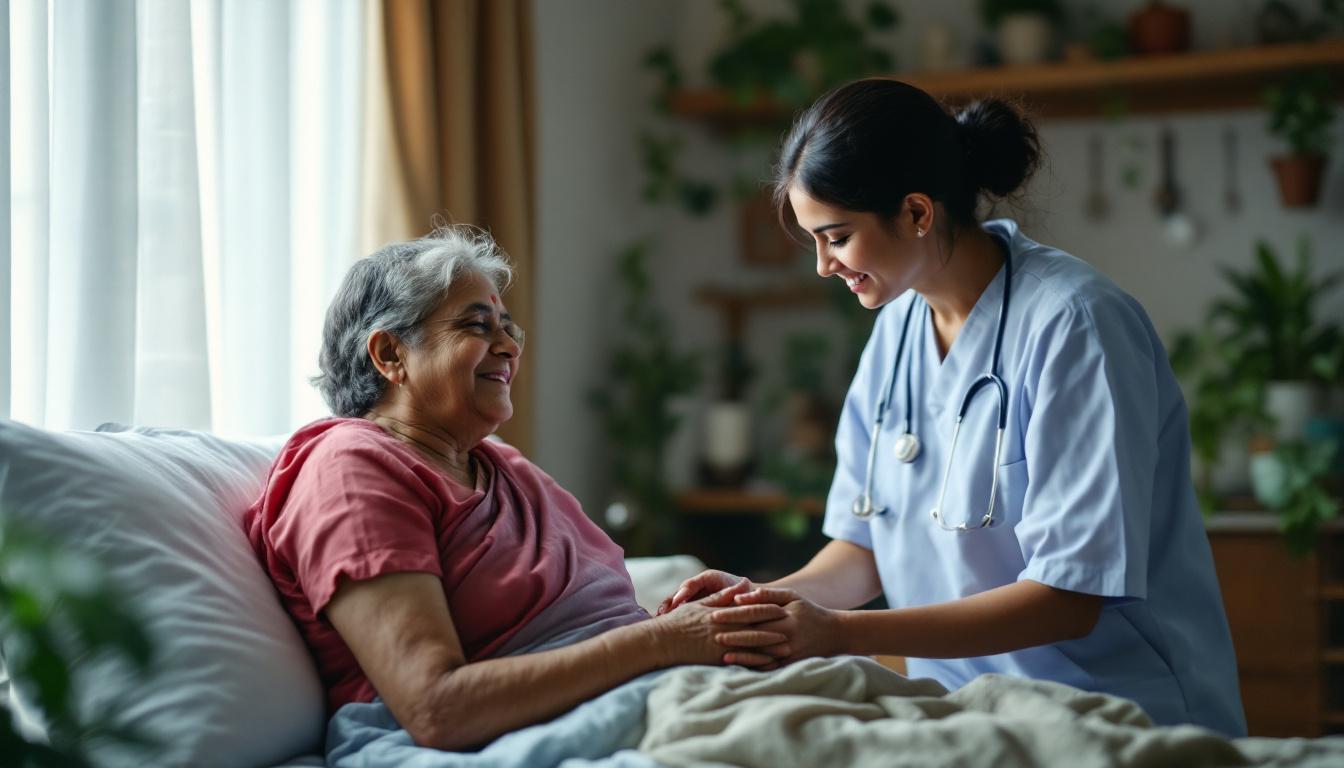
As families in India juggle busy schedules and the growing needs of aging loved ones, finding compassionate and professional care has become a major concern. Many elderly people prefer staying in their own homes, surrounded by familiar faces and environments. This is where home care steps in — providing medical, emotional, and personal support without moving to a hospital or care facility. But what exactly is home care, how does it work, and why is it becoming such an essential service in India today?
Understanding Home Care
Home care refers to a broad range of health and supportive services provided in the comfort of one’s home. It’s designed to assist individuals who need help with daily activities, medical care, or post-hospital recovery. Home care services can be medical or non-medical depending on the client’s condition. They are usually offered by trained caregivers, nurses, physiotherapists, and medical professionals who ensure the patient’s physical and emotional well-being. The goal of home care is to help people live independently and comfortably while receiving the care they need right at home.
Types of Home Care Services
Home care is not a one-size-fits-all solution. It includes different types of services customized to meet each person’s unique needs.
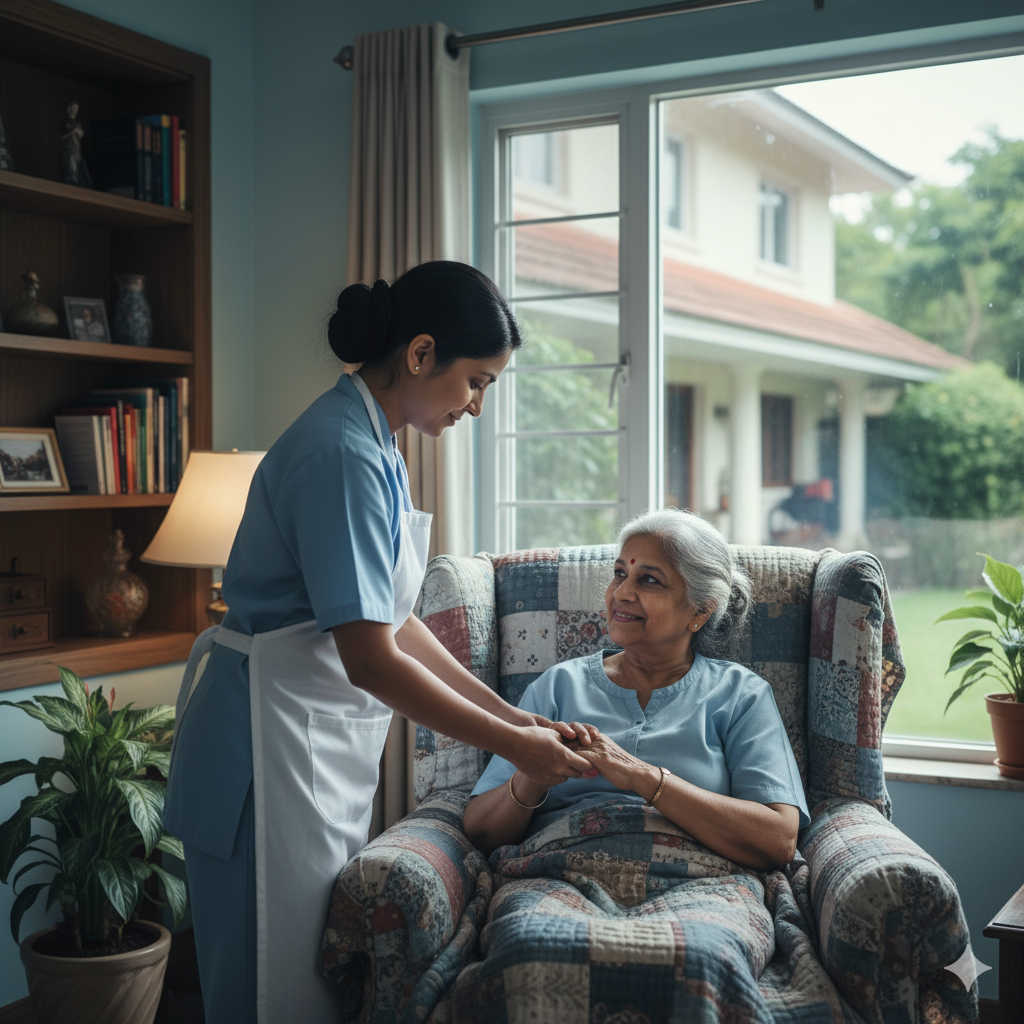
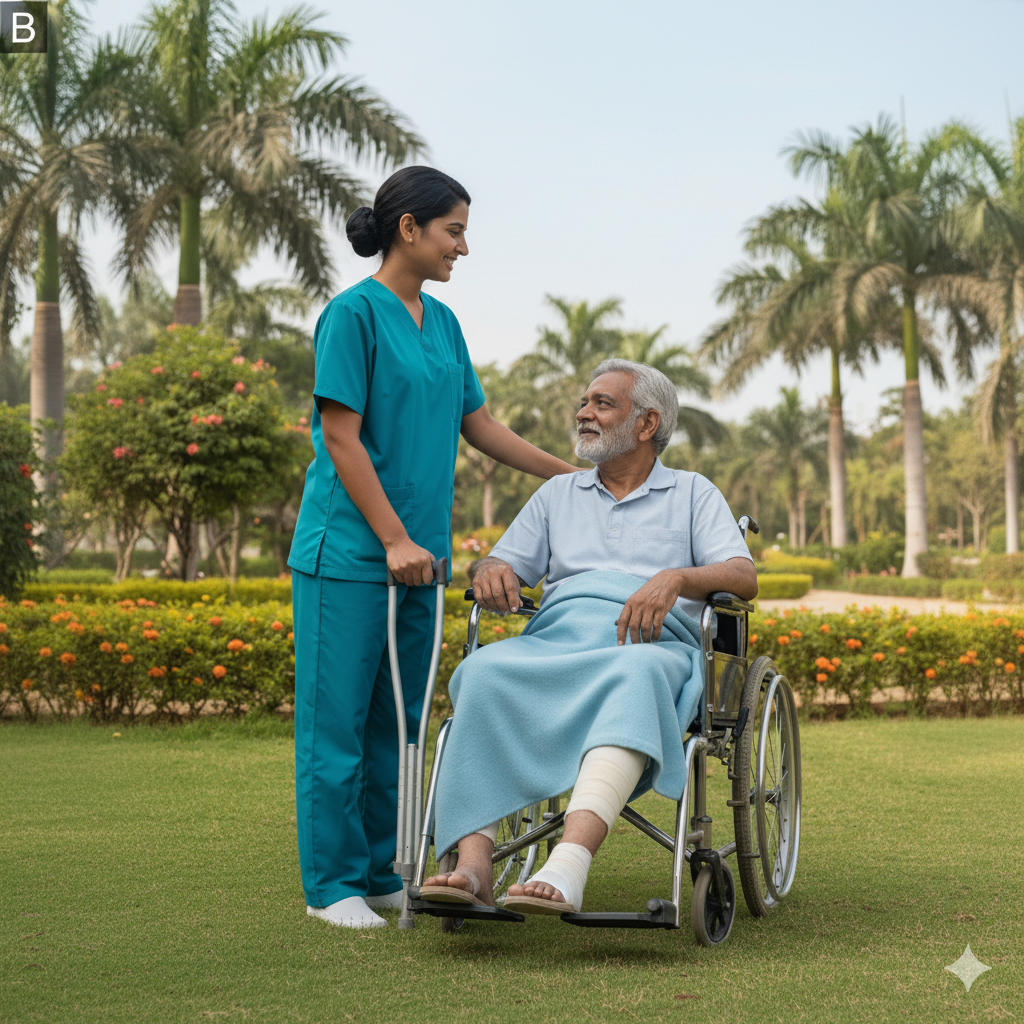
Personal Care and Assistance: This involves helping with daily activities such as bathing, dressing, grooming, eating, and mobility. Trained caregivers ensure that elderly or disabled individuals maintain hygiene and dignity while receiving support in a respectful manner.
Medical and Nursing Care: For patients who need clinical attention, home care provides professional nursing services such as wound dressing, injections, IV administration, medication management, and post-surgery monitoring. Qualified nurses follow doctor’s instructions to ensure proper treatment.
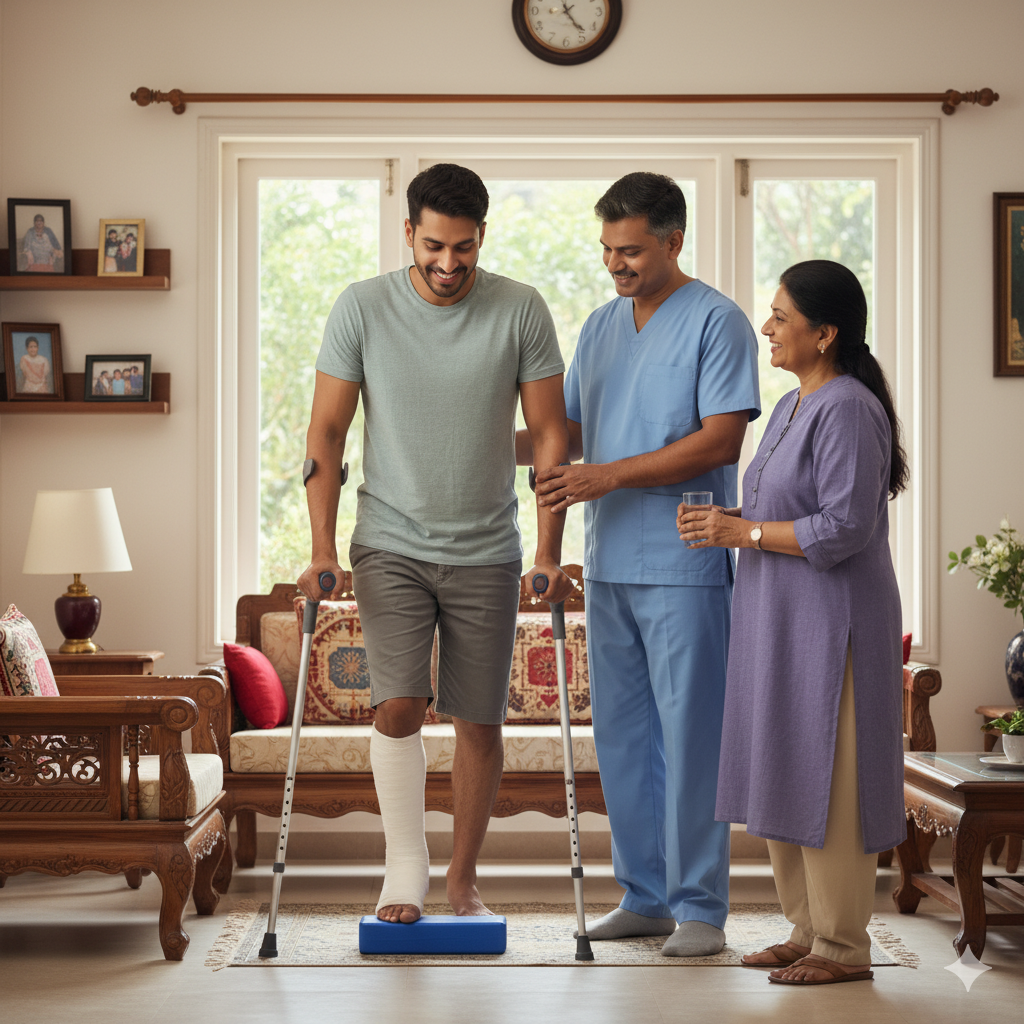
Physiotherapy at Home: Many people recovering from injuries, strokes, or joint problems benefit from physiotherapy sessions at home. These sessions help restore strength, balance, and mobility under the supervision of certified therapists.
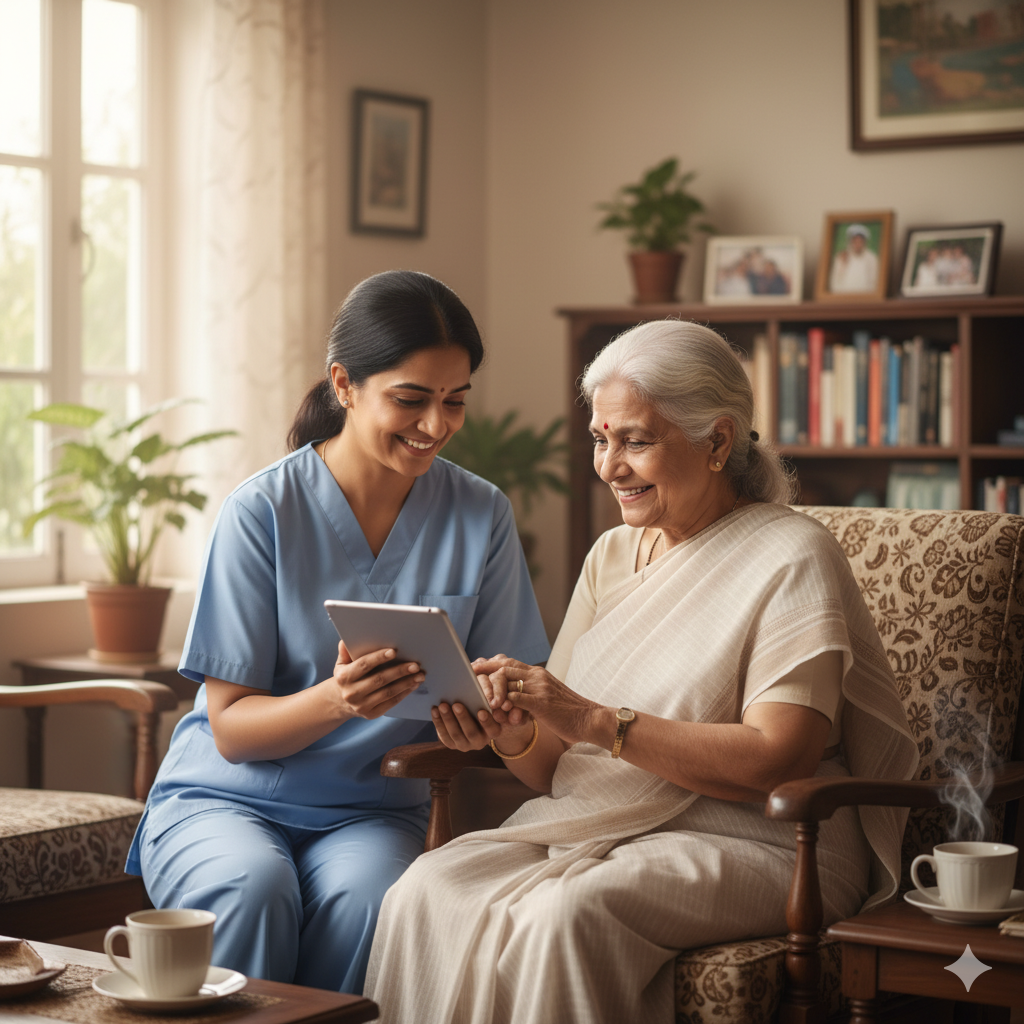
Companionship and Emotional Support: Loneliness is a growing issue among seniors. Caregivers provide emotional comfort and companionship by engaging in conversations, games, and simple activities that improve mental health.
Palliative and End-of-Life Care: For patients dealing with chronic or terminal illnesses, home care ensures compassionate support that focuses on comfort, pain management, and emotional peace.
Who Needs Home Care?
Home care is suitable for a wide range of individuals. It’s ideal for seniors who wish to age gracefully in their own homes, people recovering from surgeries, those living with chronic diseases such as diabetes, heart conditions, or arthritis, and patients requiring rehabilitation after accidents or hospital stays. Home care also benefits families who need professional support in caring for loved ones with limited mobility, dementia, or Alzheimer’s disease.
Benefits of Home Care
The advantages of home care extend beyond just convenience. It creates a bridge between hospital-level care and independent living.
Comfort and Familiarity: Being in a familiar environment helps patients feel more relaxed and emotionally stable, leading to faster recovery and better overall well-being.
Personalized Attention: Unlike hospitals where one nurse attends to multiple patients, home care ensures dedicated attention tailored to each individual’s specific needs and health condition.
Cost-Effectiveness: Long-term hospital stays can be expensive. Home care reduces these costs significantly while maintaining professional medical standards.
Safety and Supervision: Trained caregivers monitor patients’ conditions closely, manage medications, and identify potential health risks early.
Family Involvement: Home care encourages families to participate in caregiving decisions, ensuring transparency and emotional connection.
Enhanced Quality of Life: Receiving care at home helps patients maintain independence and dignity, two vital aspects of emotional well-being.
The Role of Professional Caregivers
Professional caregivers form the backbone of home care. They are trained not only in assisting with physical tasks but also in understanding the emotional and psychological needs of patients. They maintain proper hygiene, manage medications, prepare meals, and ensure safety within the home environment. At Bwell Home Care, every caregiver is carefully trained to deliver compassionate, reliable, and skilled service that supports both the patient and their family.
Home Care vs. Nursing Homes
Many families wonder whether home care is better than nursing homes. While nursing homes offer round-the-clock medical supervision, they often lack the personal comfort and emotional warmth of a home environment. Home care provides the same level of professionalism but within a space that’s familiar and emotionally uplifting. Patients can maintain their daily routines, sleep in their own beds, and interact with family members — all of which contribute to faster healing and better mental health.
Home Care in India: A Growing Need
The demand for home care in India is rapidly increasing due to changing family structures, urbanization, and the rise in chronic illnesses. With many younger family members working long hours or living abroad, professional home care services fill a vital gap. According to healthcare industry reports, the Indian home healthcare market is expected to grow significantly in the coming years. Families are realizing that home care not only ensures comfort but also brings medical expertise directly to their doorstep.
How to Choose the Right Home Care Service
Selecting the right home care provider is a crucial decision. Families should evaluate the service provider’s reputation, staff qualifications, range of services, and customer feedback. It’s also important to ensure that the caregivers are background-verified, medically trained, and supervised by professionals. Bwell Home Care, for example, offers transparent service plans, professional caregivers, and personalized care packages that can be tailored to each family’s needs.
The Future of Home Care in India
With advancements in telemedicine, digital health records, and smart medical devices, home care is evolving into a more efficient and tech-enabled service. Remote monitoring allows doctors and families to track vital signs, medications, and recovery progress in real time. This integration of technology with compassionate caregiving is shaping the future of healthcare in India — one where patients receive quality medical attention without leaving home.
Conclusion
Home care is more than just a service; it’s a compassionate approach to living with comfort, dignity, and independence. It brings professional healthcare, emotional support, and safety into the heart of every home. For families in India seeking reliable, affordable, and empathetic care for their loved ones, professional home care services like those provided by Bwell Home Care offer the perfect solution. Whether it’s elderly assistance, nursing support, physiotherapy, or chronic illness management, home care ensures that every individual receives the respect and care they truly deserve — right where they feel most at home.