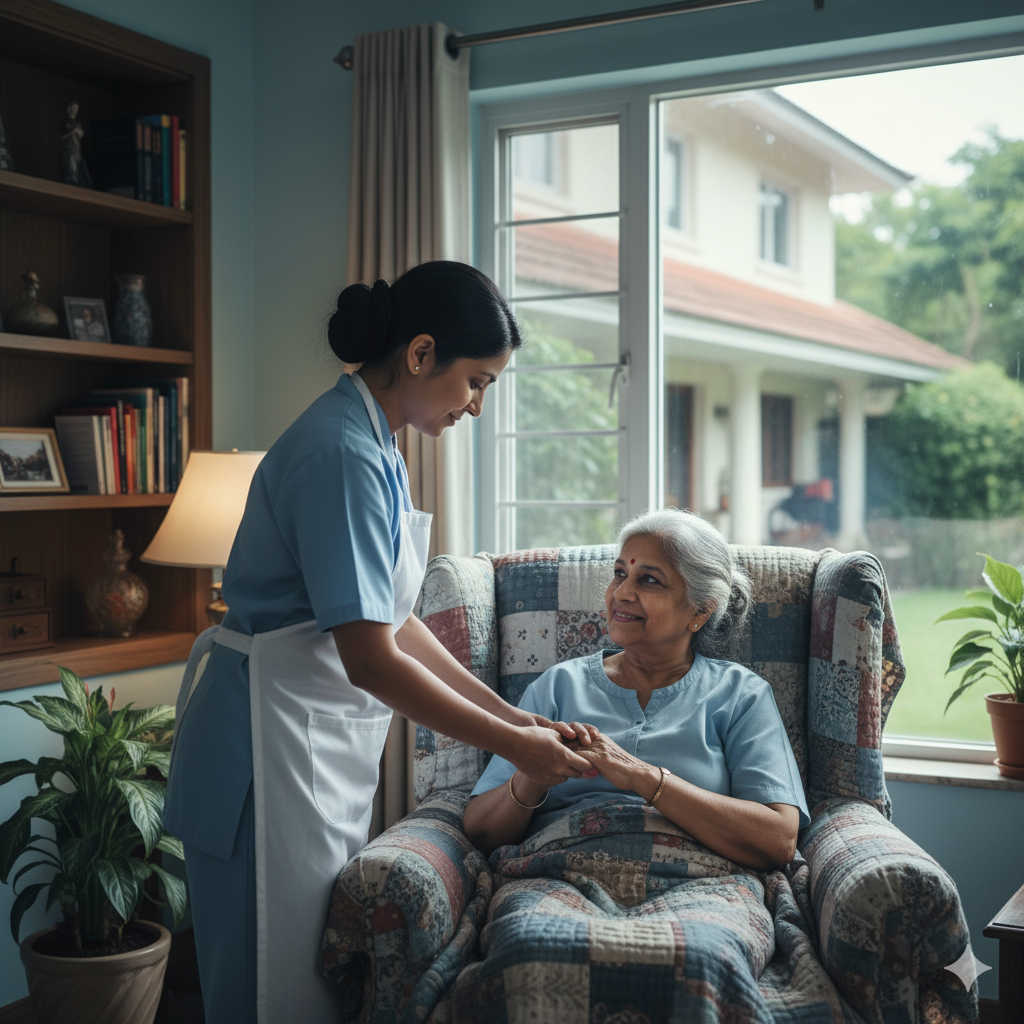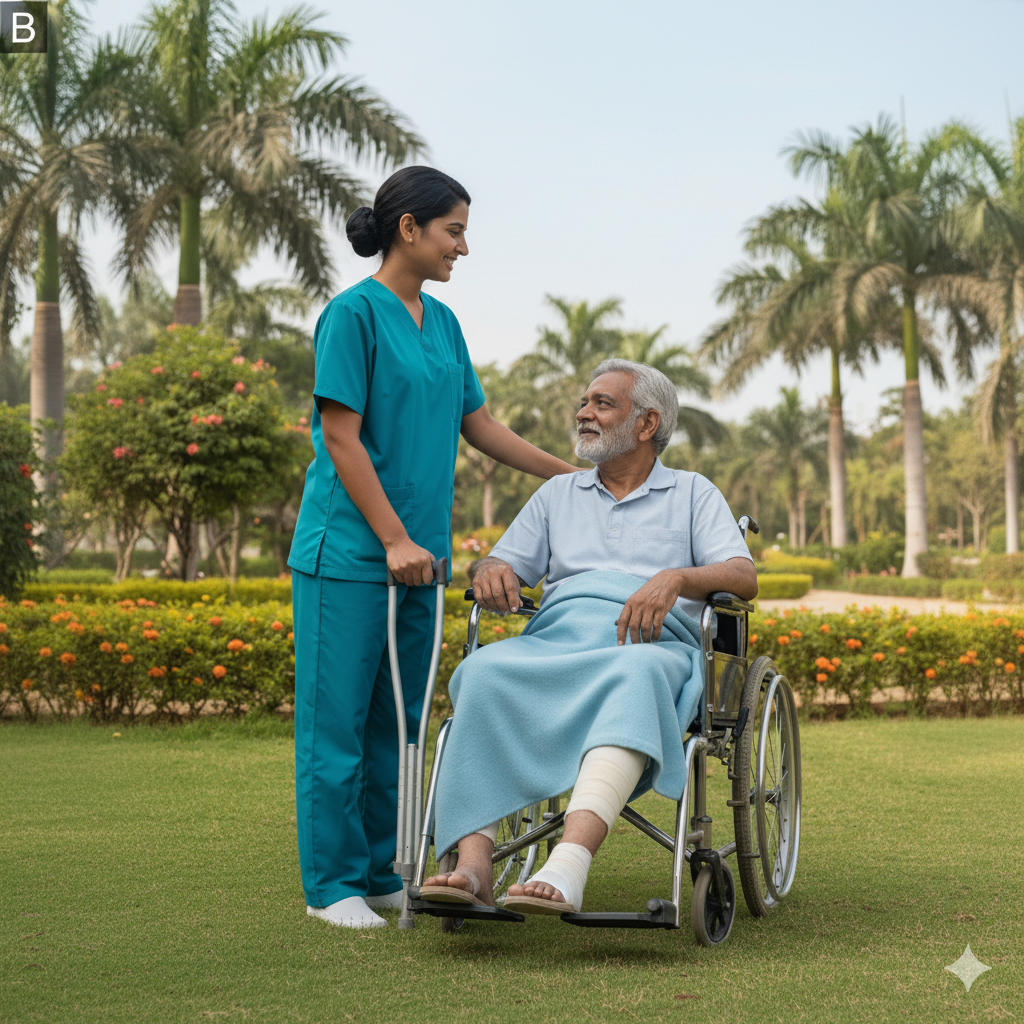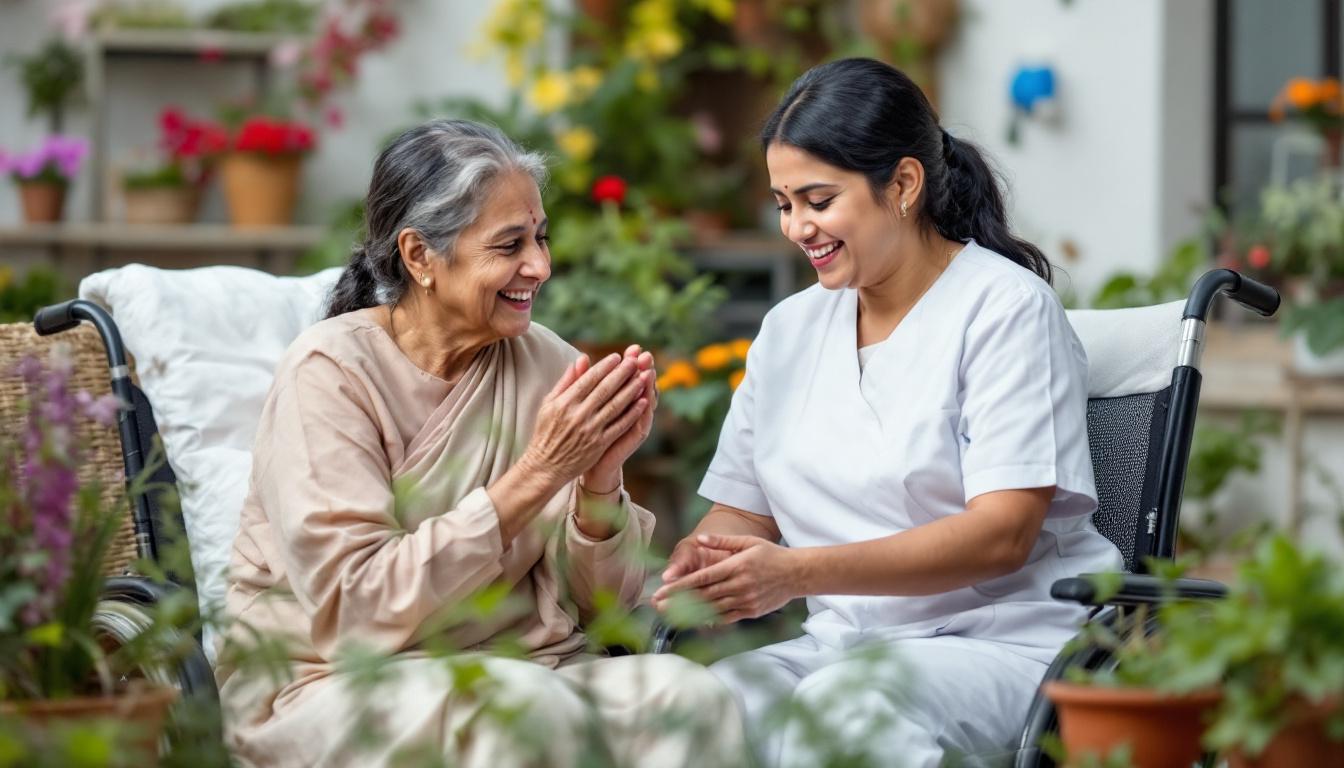
Regular physical activity is essential for seniors to maintain health, mobility, and independence. However, after a certain age, performing daily exercises safely can be challenging. While some families consider a nursing home for structured care, professional home care services offer personalized support, helping seniors follow daily exercise routines at home while ensuring safety and motivation.
Daily exercises improve flexibility, strength, balance, and cardiovascular health. Moreover, staying active reduces the risk of falls, chronic illnesses, and cognitive decline. In this article, we discuss how home care services help seniors incorporate exercise into their daily lives, keeping them healthy and independent.
1. Morning Stretching and Mobility Exercises
Starting the day with gentle stretching improves blood flow, loosens stiff muscles, and increases joint flexibility. Seniors recovering from hospitalization or managing chronic conditions often find it difficult to stretch effectively on their own.
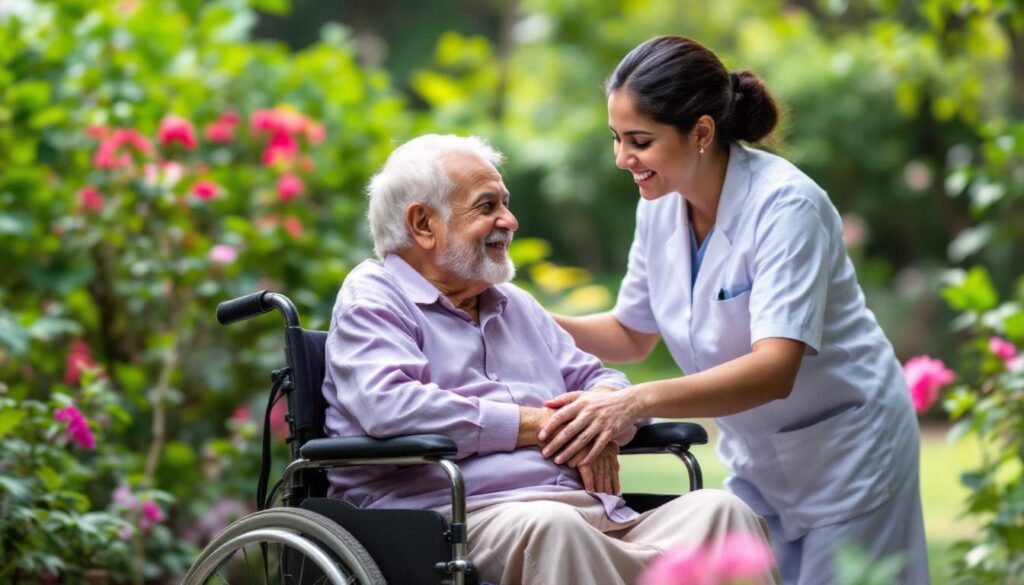
Home care services provide caregivers who guide seniors through safe stretching routines tailored to their abilities. By assisting with proper techniques, caregivers ensure seniors avoid injuries while enhancing flexibility and mobility.
2. Light Strength Training
Maintaining muscle mass is vital for seniors to perform daily tasks independently. Light strength training using resistance bands, light weights, or bodyweight exercises helps improve endurance, balance, and posture.
Professional home care services train caregivers to supervise these exercises, encouraging seniors to push their limits safely. Consequently, seniors can regain strength without the need for a nursing home or gym environment.
3. Cardiovascular Exercises
Cardiovascular exercises, such as walking, stationary cycling, or gentle aerobics, promote heart health, increase energy, and enhance overall stamina. For seniors, performing these exercises safely requires guidance, especially after surgery or prolonged hospitalization.
Home care services provide one-on-one support, ensuring seniors follow the proper pace and technique while monitoring vital signs. Furthermore, caregivers help seniors set realistic goals and track progress, motivating them to remain active consistently.
4. Balance and Fall Prevention
Falls are a leading cause of injury among the elderly. Incorporating balance exercises into daily routines helps reduce the risk significantly. Exercises like standing on one leg, heel-to-toe walking, or gentle yoga improve stability and coordination.
Caregivers from home care services assist seniors with these routines, providing support and supervision. This approach allows seniors to regain confidence in mobility and prevents accidents at home.
5. Flexibility and Stretching Routines Throughout the Day
Flexibility exercises should not be limited to the morning. Light stretching during the afternoon or evening helps maintain joint range of motion and reduces stiffness.
Home care services encourage seniors to integrate flexibility exercises into daily activities, such as stretching before meals or during leisure time. This consistent practice promotes independence and supports an active lifestyle.
6. Post-Surgery or Rehabilitation Exercises
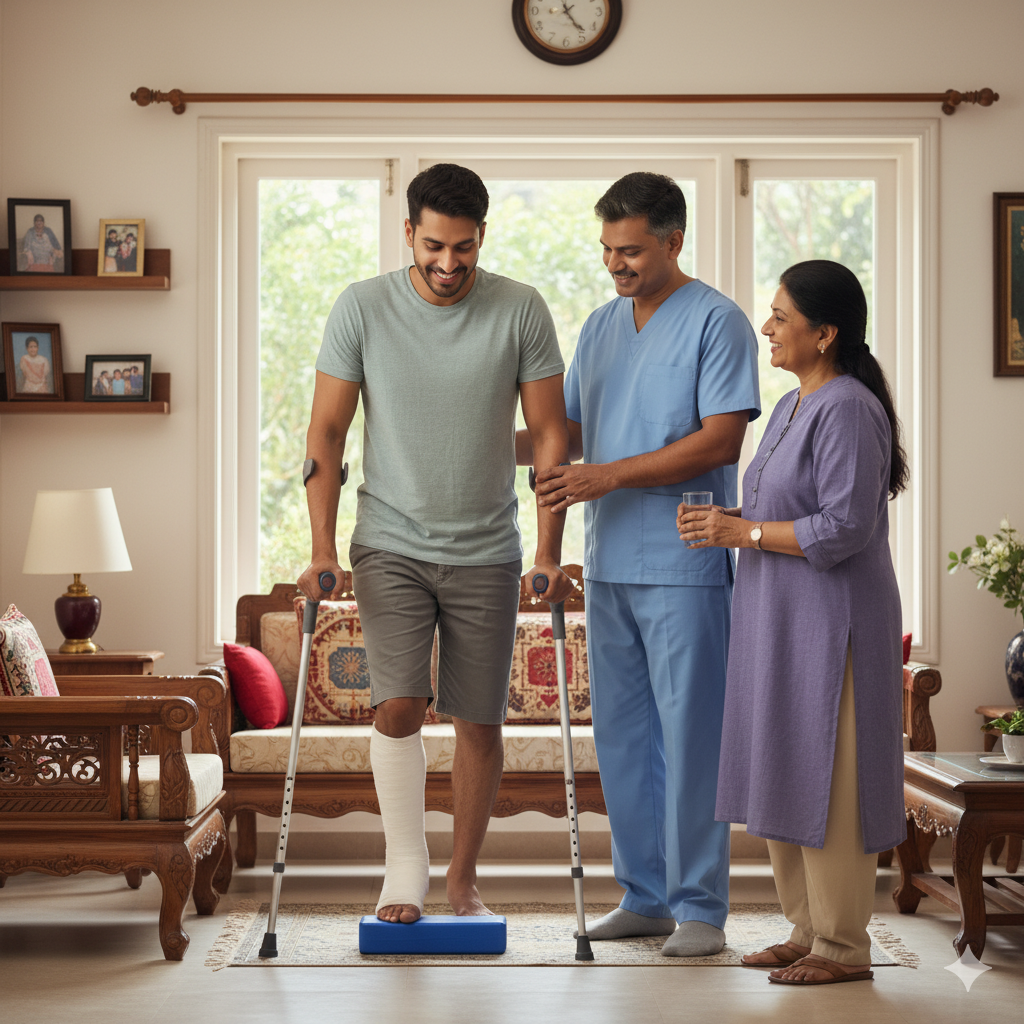
Seniors recovering from surgery or illness require specialized exercise routines to restore strength, mobility, and function. Without proper guidance, exercises can be ineffective or even harmful.
Professional home care services coordinate with physiotherapists to implement safe post-surgery routines at home. Caregivers assist with exercises, monitor progress, and ensure seniors perform movements correctly.
7. Cognitive and Coordination Exercises
Physical activity is closely linked to cognitive health. Activities that combine movement and mental focus, such as balance games, gentle dance routines, or hand-eye coordination exercises, help improve memory and concentration.
Home care services integrate these exercises into daily routines, providing seniors with holistic care that strengthens both body and mind. This personalized approach is often more effective than routines in a crowded nursing home setting.
8. Encouragement and Motivation
One of the most critical aspects of a senior’s exercise routine is consistency. Many seniors struggle to stay motivated, especially if they exercise alone.
Caregivers from home care services provide encouragement, set achievable goals, and celebrate progress, ensuring seniors remain engaged in their fitness journey. This support enhances adherence to daily routines and promotes overall well-being.
9. Evening Relaxation and Stretching
Ending the day with light stretching or relaxation exercises helps seniors sleep better and reduces muscle tension. Techniques such as gentle yoga, breathing exercises, or slow movements improve flexibility and calm the mind.
Home care services guide seniors through these routines safely, fostering relaxation and preparing them for restful sleep.
Conclusion
Regular exercise is vital for seniors to maintain independence, physical health, and mental well-being. Home care services provide personalized guidance, supervision, and motivation, ensuring seniors follow daily routines safely and effectively. From stretching and strength training to balance exercises, cardiovascular routines, and post-surgery rehabilitation, these services empower seniors to stay active at home.
While a nursing home offers structured care, personalized home care services allow seniors to enjoy the comfort, safety, and familiarity of their own homes while staying physically and mentally healthy.
If you want your elderly loved one to maintain independence and follow a safe, effective exercise routine, contact Bwell HomeCare today to explore our comprehensive home care services.