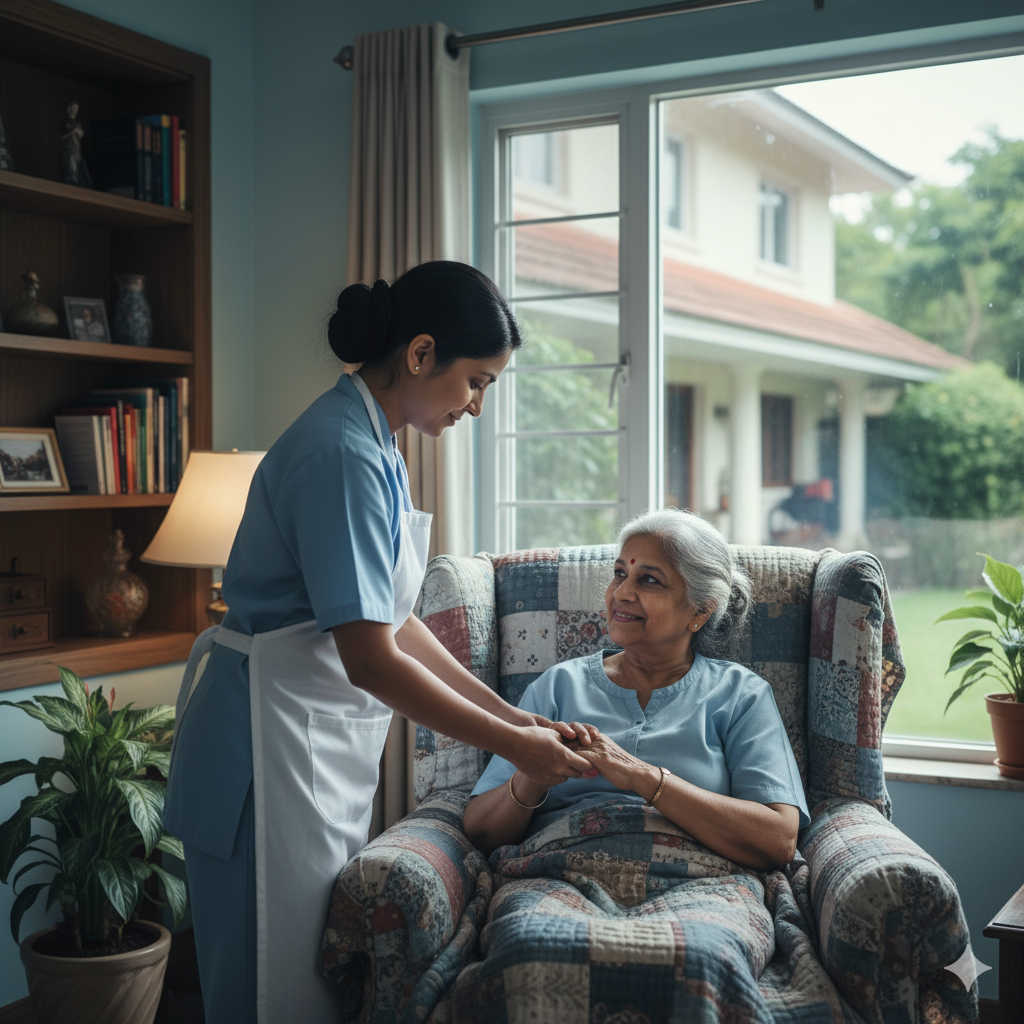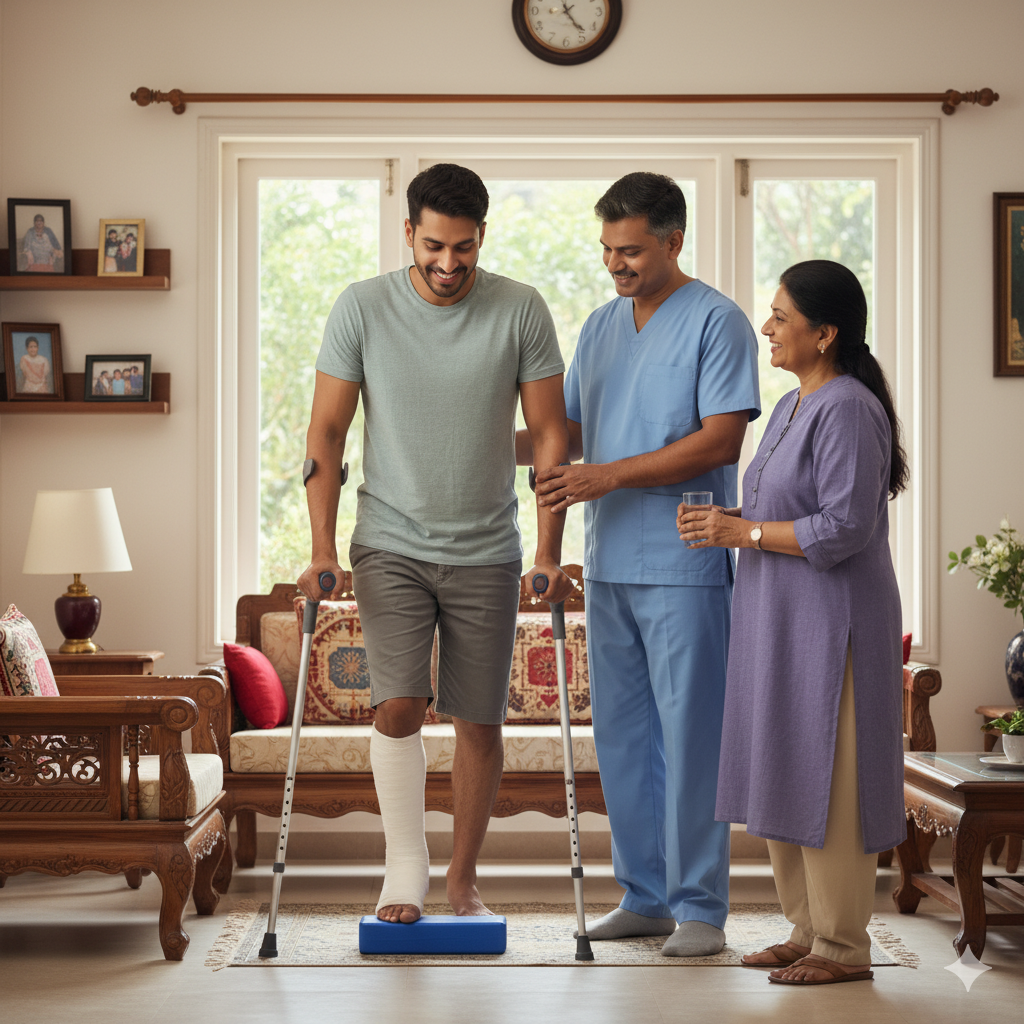
Recovering after a hospital stay can be overwhelming for seniors and their families. Often, elderly patients need continuous care, monitoring, and assistance with daily activities to ensure a smooth recovery. While some families consider moving their loved ones to a nursing home, professional home care services allow seniors to recover in the comfort of their own homes, maintaining independence and dignity throughout the process.
With the right support, seniors can regain strength, follow medical instructions, and enjoy a safe, structured environment. In this article, we explore how home care services help seniors stay independent after hospitalization and why this option is often preferred over a nursing home.

1. Personalized Care Plans After Hospitalization
One of the biggest advantages of home care services is the creation of personalized care plans tailored to each senior’s medical and personal needs. Caregivers assess the patient’s condition, mobility, and daily routines, designing a program that supports recovery at home.
Learn more about our Elderly Care services that provide individualized support for seniors.
Unlike a nursing home, where care is often standardized, home care plans are flexible and can be adjusted as the senior progresses. This personalized approach enhances independence and speeds up recovery.
2. Assistance with Daily Activities
After hospitalization, seniors may struggle with daily tasks such as bathing, dressing, meal preparation, and medication management. Home care services provide professional caregivers who assist with these activities, ensuring seniors can manage routines safely while remaining autonomous.
Caregivers also teach seniors strategies to handle tasks independently whenever possible. Consequently, this support helps prevent setbacks and reduces the risk of re-hospitalization.
3. Medication Management and Health Monitoring
Proper medication adherence and health monitoring are critical for post-hospitalization recovery. Many seniors forget to take medications on time or mismanage dosages, which can lead to complications.
Professional home care services ensure that medications are administered correctly and that vital signs are regularly checked. Furthermore, caregivers communicate with doctors to update care plans as needed.
This personalized oversight is often more effective than relying on a nursing home, where staff may be responsible for multiple patients simultaneously.
4. Physical Therapy and Mobility Support
Maintaining mobility after hospitalization is essential for seniors to regain independence. Without guidance, seniors may become sedentary, leading to muscle weakness or joint stiffness.
Home care services provide assistance with physical therapy exercises and safe mobility techniques. Caregivers encourage seniors to follow doctor-prescribed routines, use mobility aids, and gradually rebuild strength. As a result, seniors recover faster while staying confident and active in their own homes.
5. Emotional Support and Companionship
Hospital stays can be stressful and emotionally draining. Seniors may feel anxious, depressed, or isolated during recovery.
Home care services provide emotional support and companionship, reducing feelings of loneliness. Caregivers engage seniors in conversation, hobbies, and social activities, which improves mental well-being. In contrast, a nursing home may not offer the same level of one-on-one attention, making home care a preferred option for emotional support.
6. Maintaining a Safe Home Environment
Safety is a major concern for seniors recovering at home. Hazards such as loose rugs, slippery floors, or cluttered pathways increase the risk of falls and injuries.
Professional home care services assess the home environment and implement safety measures. Caregivers ensure seniors can move around confidently and perform daily tasks without risk, which allows them to stay independent while minimizing accidents.
7. Encouraging Routine and Independence
Consistency is key for seniors recovering from hospitalization. Structured daily routines help them regain confidence, adhere to medical advice, and feel in control of their lives.
Caregivers from home care services organize schedules for meals, exercise, medications, and leisure activities. By encouraging seniors to participate actively in their routines, they maintain independence while receiving professional support. This balance is often more achievable at home than in a nursing home setting.
Conclusion
Recovering from hospitalization is a critical phase in a senior’s life, and professional home care services provide the support needed to stay independent, safe, and comfortable. From personalized care plans to daily assistance, medication management, physical therapy, emotional support, and home safety, these services ensure seniors regain strength without compromising dignity.
While a nursing home may be an option, home care offers personalized, one-on-one attention that fosters independence and faster recovery. If your elderly loved one is returning home after hospitalization, contact Bwell HomeCare today to explore our comprehensive home care services designed for recovery, comfort, and independence.