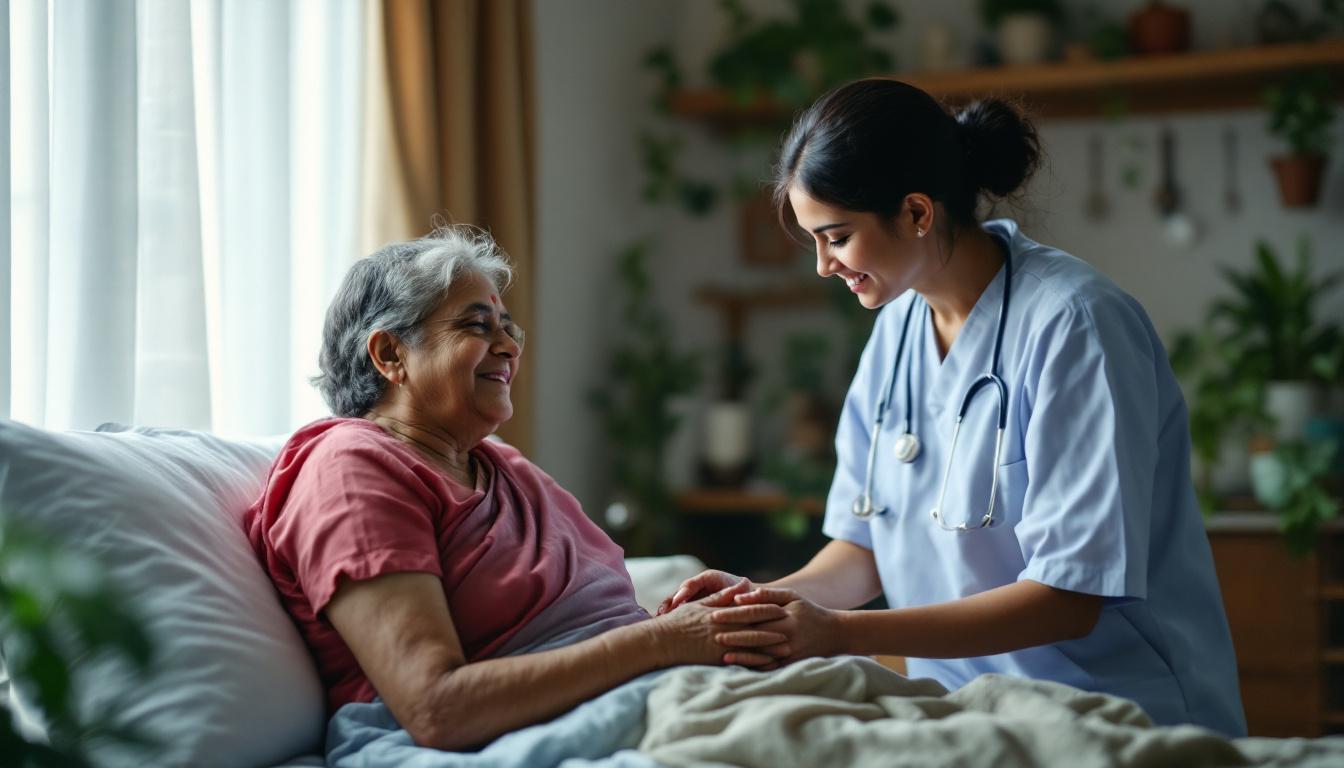
As people age, maintaining independence, comfort, and dignity becomes essential to living a fulfilling life. However, aging often brings challenges such as limited mobility, chronic health conditions, and emotional changes that can affect a person’s overall well-being. This is where personalized home care plays a transformative role. By tailoring support to each individual’s unique needs, home care services help seniors live comfortably and confidently in their own homes.
Understanding Personalized Home Care
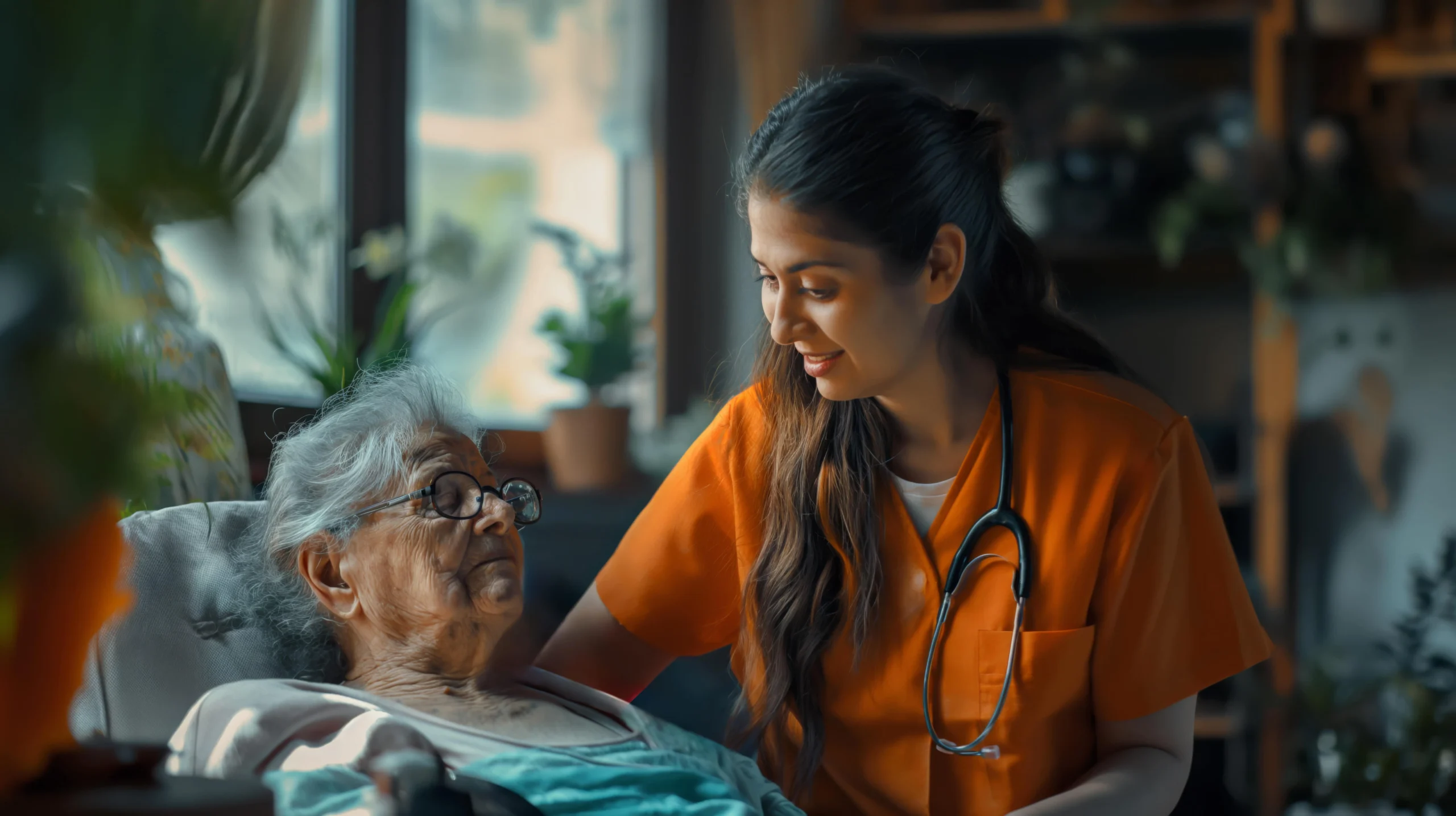
Personalized home care is not a one-size-fits-all approach. It focuses on creating a care plan based on the individual’s health condition, lifestyle, personality, and preferences. Unlike traditional institutional care, where routines are standardized, personalized home care ensures that seniors receive one-on-one attention designed specifically for them. The goal is to provide medical, physical, and emotional assistance while allowing them to maintain their independence and familiar surroundings.
Enhancing Independence and Confidence
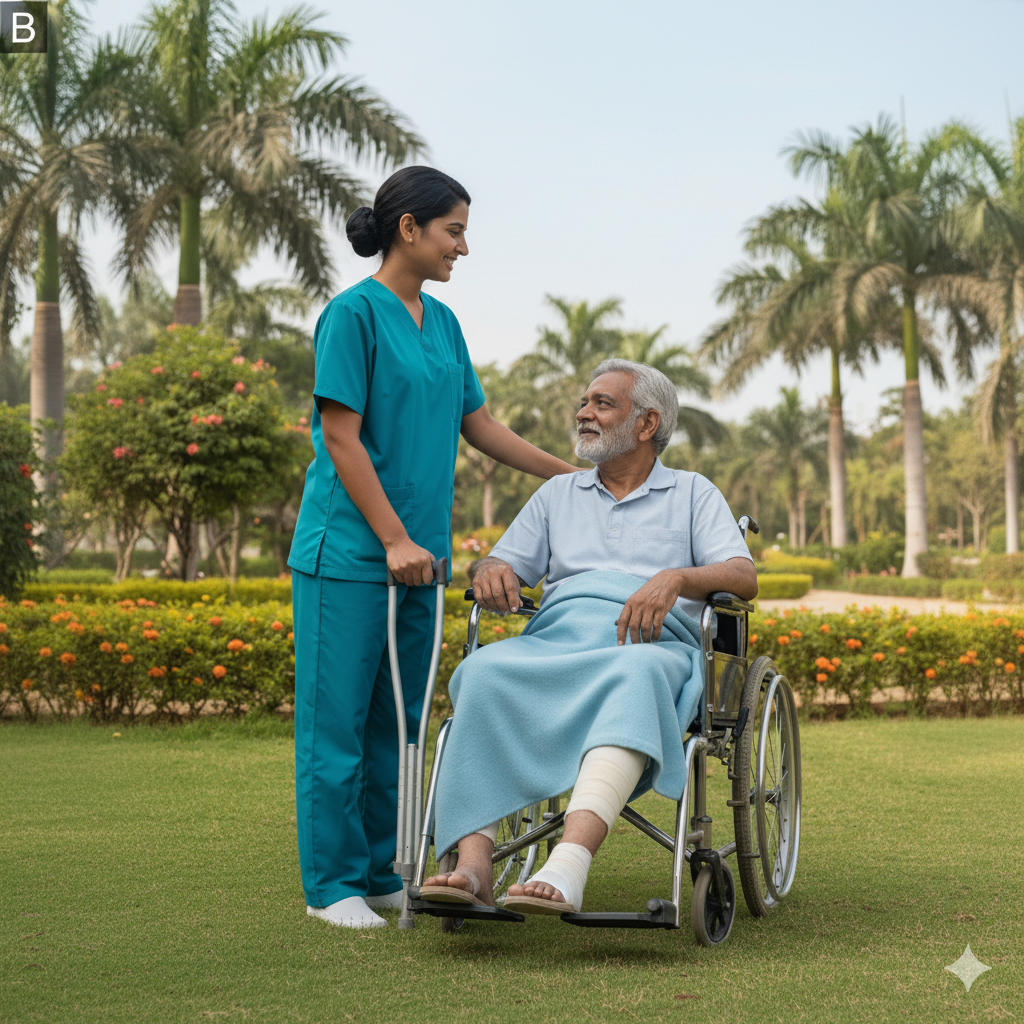
One of the greatest benefits of personalized home care is that it empowers seniors to remain independent. Aging often leads to a loss of confidence, especially when basic tasks become difficult. With the help of trained caregivers, elderly individuals can receive just the right amount of support—whether it’s help with bathing, dressing, meal preparation, or mobility. By focusing on ability rather than disability, caregivers encourage seniors to participate actively in their daily routines. This balanced assistance fosters a sense of self-reliance and dignity, which has a direct positive impact on mental health and overall life satisfaction.
Emotional and Mental Well-being
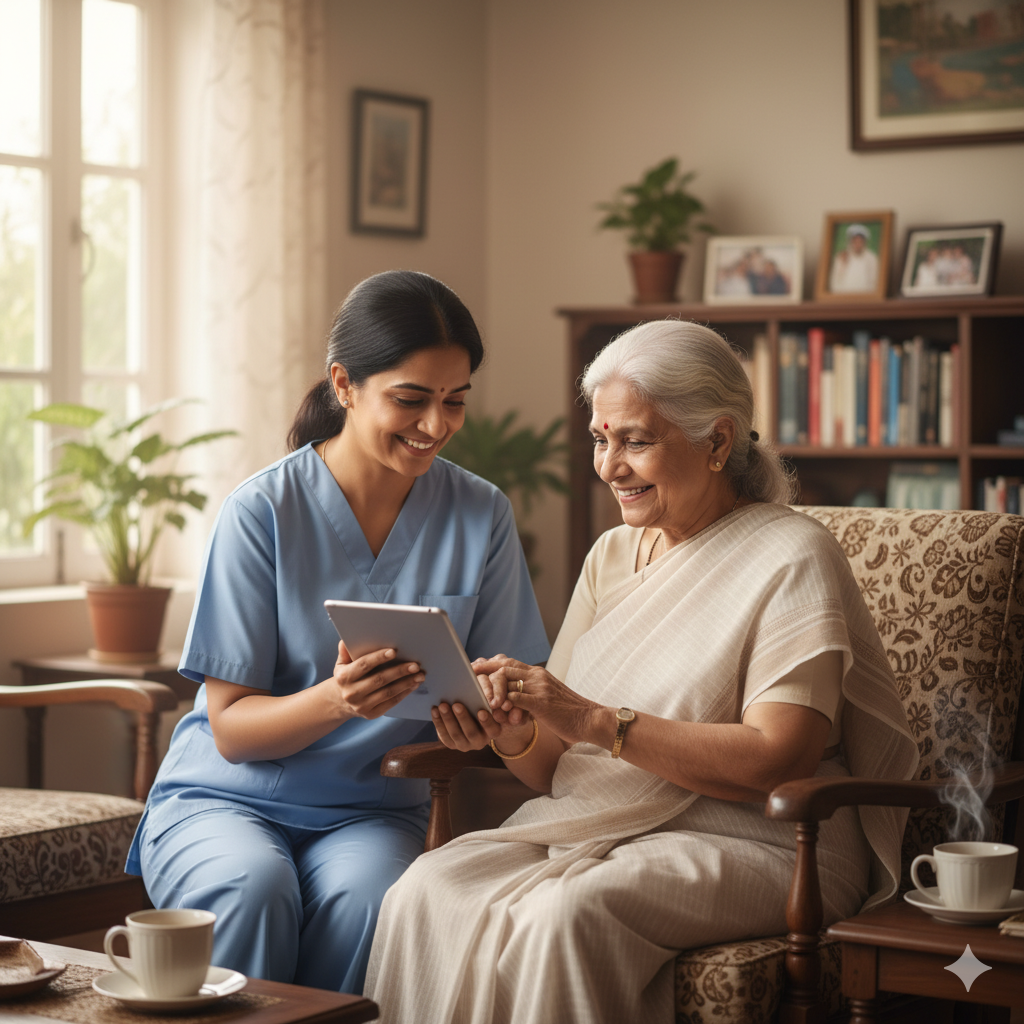
Loneliness and isolation are common among the elderly, particularly when family members live far away or have busy schedules. Personalized home care addresses this by providing companionship and emotional support. A compassionate caregiver doesn’t just perform daily tasks—they engage seniors in meaningful conversations, hobbies, and activities that bring joy. Having someone to talk to and share moments with significantly reduces the risk of depression and cognitive decline. Moreover, personalized care ensures that seniors are treated with respect and empathy, creating an atmosphere of trust and warmth within their own home.
Tailored Medical and Health Support
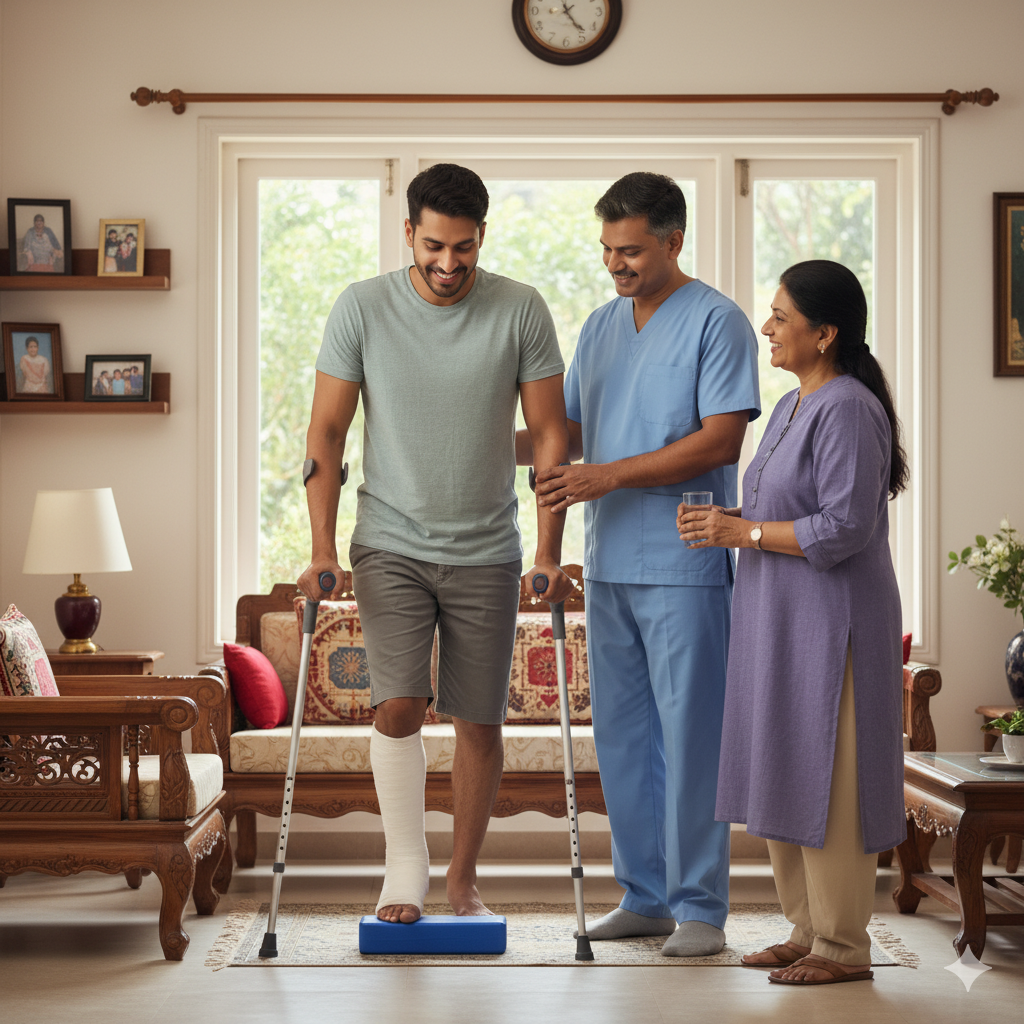
Every senior has unique medical requirements, from managing chronic illnesses like diabetes or arthritis to recovering from surgery or injury. Personalized home care includes specialized health management services that are customized for each patient. Professional caregivers, nurses, or therapists monitor medications, track vital signs, and provide physical therapy when needed. By coordinating with doctors and healthcare providers, home care agencies ensure continuity of treatment. This comprehensive and individualized attention prevents complications, reduces hospital readmissions, and promotes faster recovery.
Comfort of Familiar Surroundings
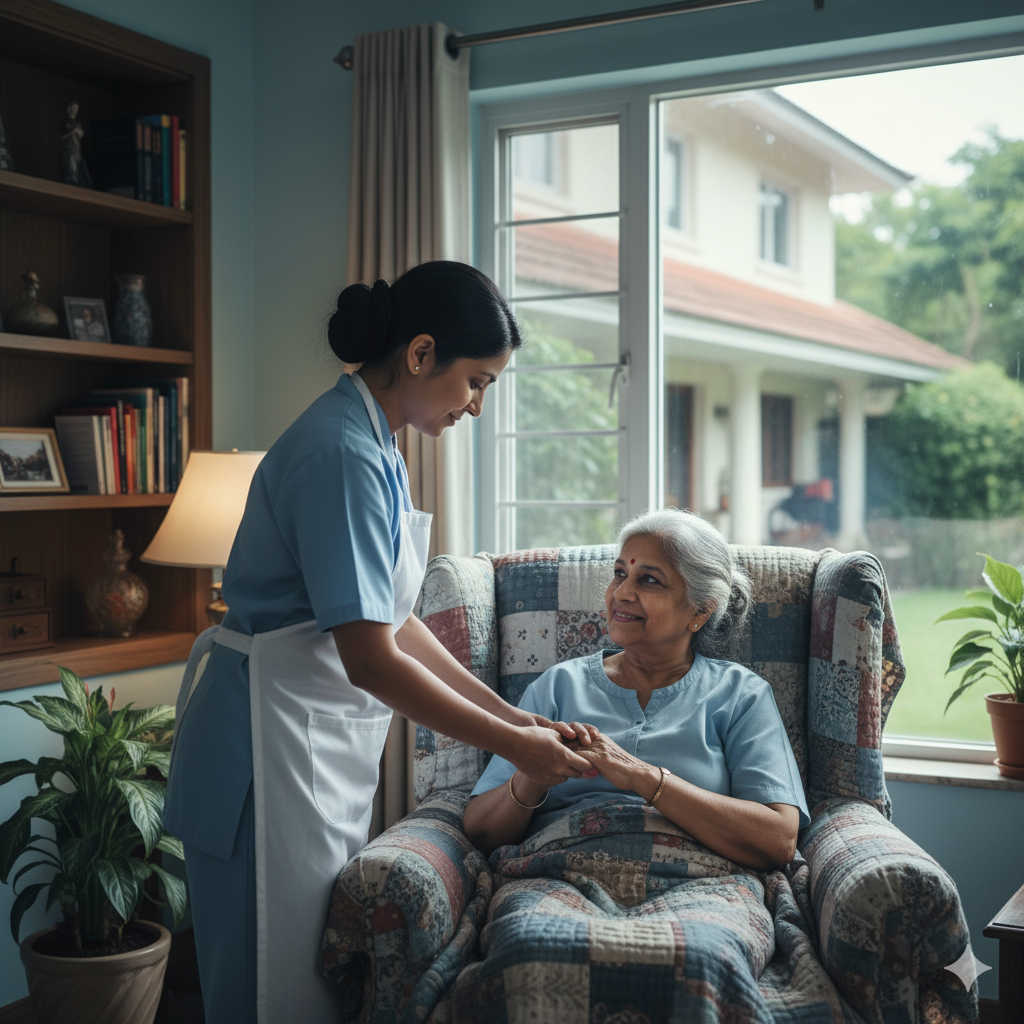
Home is more than just a physical space—it’s a source of emotional security and comfort. Seniors often feel more relaxed and positive in their own homes compared to hospitals or assisted living facilities. Personalized home care allows them to stay surrounded by familiar faces, cherished memories, and personal belongings. This sense of belonging contributes immensely to their emotional stability. Being in a comfortable environment also helps reduce stress, confusion, and anxiety, particularly for those suffering from dementia or Alzheimer’s disease.
Family Involvement and Peace of Mind
Another major advantage of personalized home care is that it keeps families involved in their loved one’s care journey. Caregivers maintain regular communication with family members, providing updates about health progress and daily activities. This transparency offers peace of mind, especially for those who cannot be physically present all the time. Families can rest assured that their elderly loved one is receiving attentive and professional support. It also strengthens family bonds by reducing the burden of caregiving stress, allowing family members to focus on quality time together rather than daily care challenges.
Flexibility and Affordability
Personalized home care can be designed to fit any schedule or budget. Some seniors may need full-time live-in care, while others require just a few hours of assistance each day. The flexibility of home care services allows families to choose the level of care that best suits their needs. In many cases, this approach is more affordable than residential care facilities or prolonged hospital stays. It also ensures that resources are used efficiently, focusing only on the areas where help is truly needed.
Improving Quality of Life in Every Aspect
Quality of life isn’t just about physical health—it’s about emotional happiness, mental stability, and social connection. Personalized home care addresses all these aspects holistically. From companionship and hygiene support to medication reminders and mobility exercises, every element is aimed at promoting comfort, confidence, and contentment. Seniors who receive personalized care often show improved mood, better physical strength, and a renewed sense of purpose. They feel valued, understood, and cared for—qualities that make all the difference in aging gracefully.
Conclusion
Personalized home care is more than a service; it’s a partnership built on compassion and respect. By focusing on individual needs, preferences, and goals, it ensures that seniors live their golden years with dignity, joy, and comfort. Families gain peace of mind knowing that their loved ones are receiving quality care within the warmth of their own homes. As the demand for elderly support continues to grow, personalized home care stands out as the most humane, effective, and heart-centered solution for enhancing the quality of life for the elderly.